National symposium brings together experts to advance veteran brain health
Hosted at the University of Nottingham in partnership with the University of Birmingham, and sponsored by Cerca Magnetics.
11 June 2026
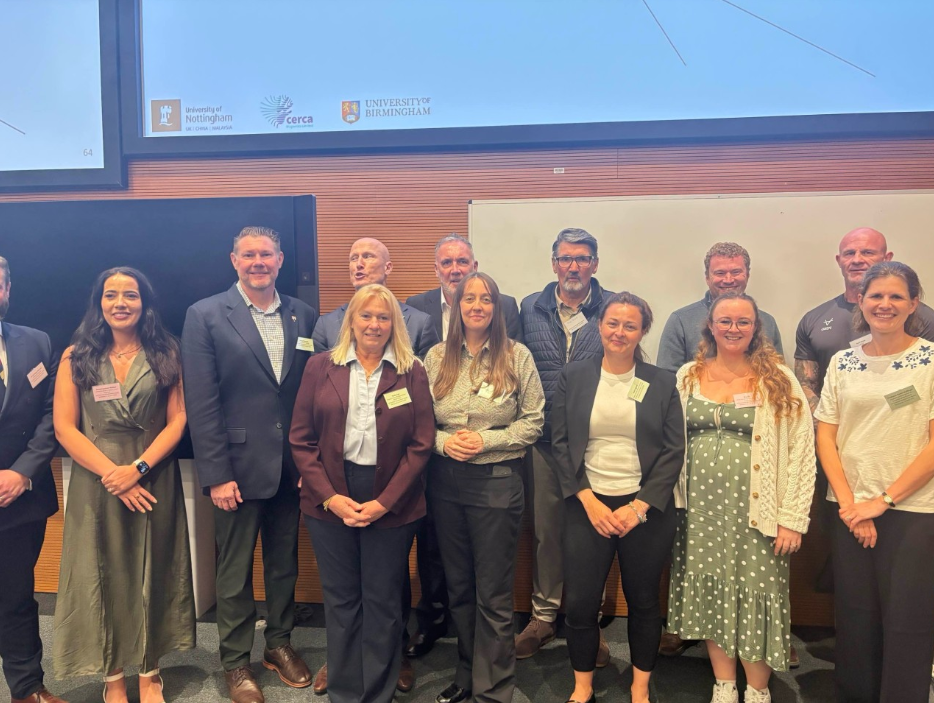
Researchers, clinicians, veterans, policymakers, charities and industry leaders came together at the University of Nottingham on Thursday 11 June for the UK National Veteran Brain Health Symposium, a landmark event focused on improving understanding, treatment and long-term outcomes for brain injury within the Armed Forces community.
Hosted by the University of Nottingham in partnership with the University of Birmingham and sponsored by Cerca Magnetics, the symposium provided a national forum to explore the latest advances in veteran brain health research while ensuring that the voices of veterans and their families remained central to the conversation. The programme was structured around three themes: Understanding the Problem, Developing Solutions and Delivering Change, reflecting a commitment not only to advancing scientific knowledge but to translating research into meaningful improvements in care and policy.
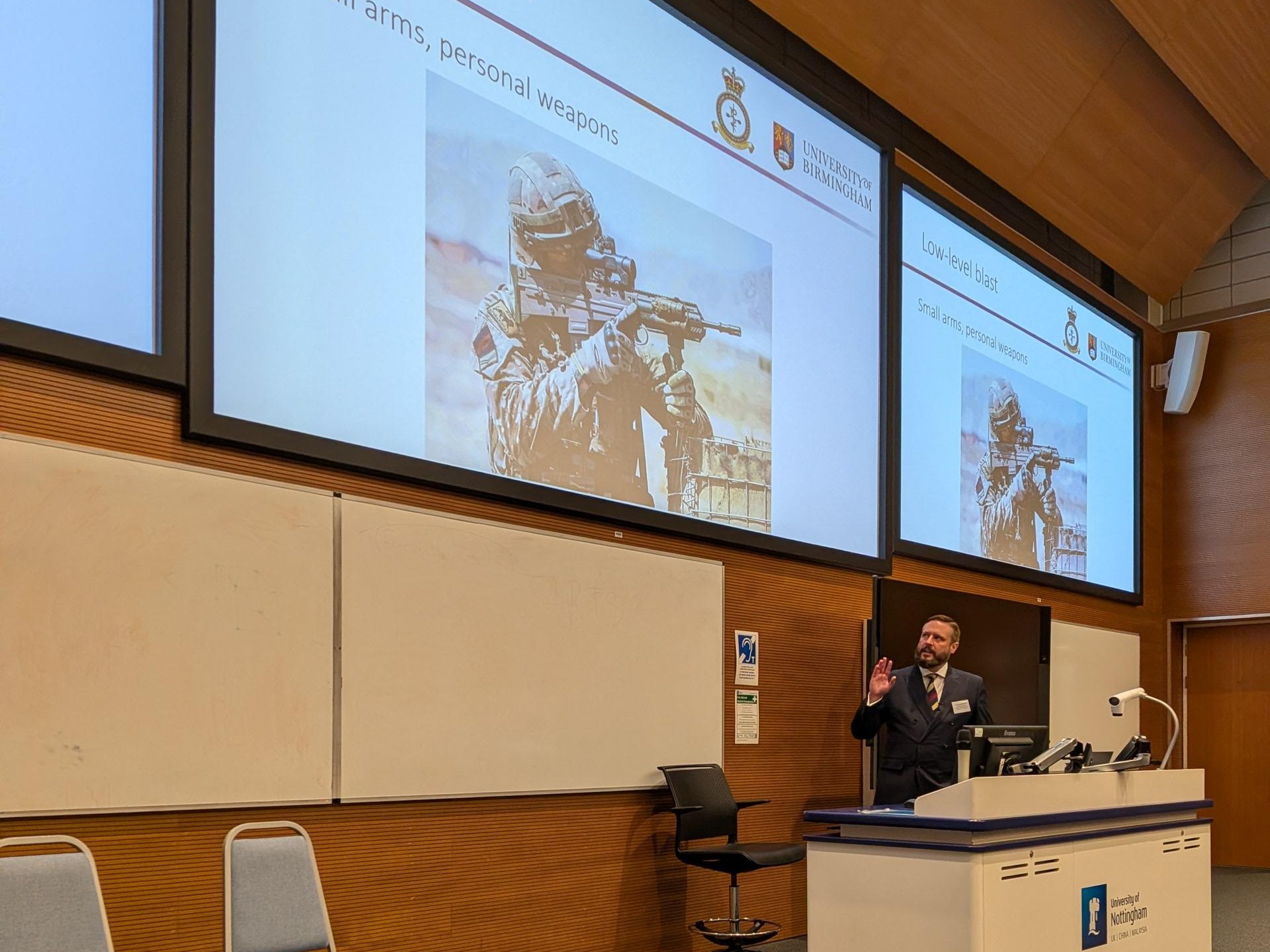
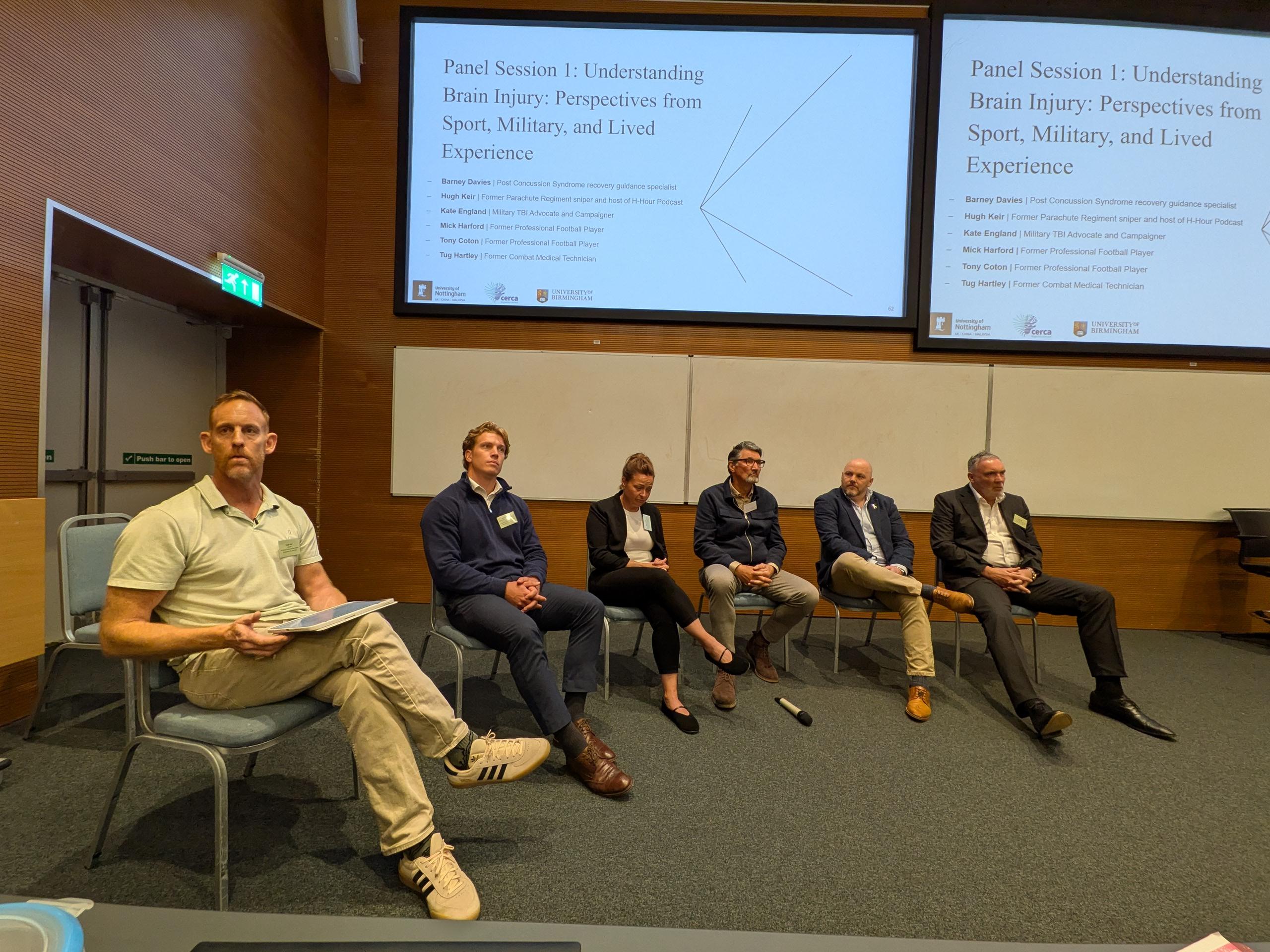
Opening discussions examined the complex nature of brain injury in military service, including concussion, sub-concussion and post-traumatic stress disorder (PTSD), before turning to powerful lived experience panels featuring veterans, advocates and individuals with experience of brain injury. By bringing together perspectives from military service, elite sport and healthcare, delegates explored both the similarities and important differences between brain injuries sustained in different environments, highlighting the need for more nuanced approaches to diagnosis, rehabilitation and long-term support.
Throughout the day, researchers from across the UK showcased cutting-edge developments that are transforming our understanding of brain health. Presentations covered advances in neurophysiology and brain imaging, biomarkers for detecting brain injury, remote cognitive assessment, cerebrovascular function and recovery, and the use of large-scale data to improve diagnosis and patient outcomes. Together, the presentations demonstrated the power of interdisciplinary collaboration between neuroscience, medicine, engineering, physics and data science to develop new tools capable of detecting and monitoring brain injury more effectively than ever before.
A recurring message throughout the symposium was that scientific discovery must ultimately lead to tangible benefits for veterans and their families. Discussions explored how emerging technologies and research findings can be translated into earlier diagnosis, personalised rehabilitation pathways and improved long-term monitoring of brain health.
An international perspective was provided through discussion of the US Warfighter Brain Health Initiative, encouraging participants to consider how lessons from allied nations could inform future approaches within the UK. Alongside this, speakers emphasised the importance of embedding lived experience within research and policy development, ensuring that future innovation remains focused on the needs of those most affected by brain injury.
By bringing together expertise from multiple disciplines alongside the lived experiences of veterans, the event marked an important step towards a more coordinated national approach to veteran brain health and reinforced the shared ambition to ensure that advances in research translate into lasting improvements in care, support and quality of life for those who have served.
We hope to sponsor similar events in the future, and continue pushing the boundaries of traumatic brain injury research and innovation.
%20medium.jpg)